Carp Spawning
By Rick Hurley
The Facts
- Female carp are capable of producing up to 1 million eggs (ova), depending on their size
- Carp can spawn more than once in a year when conditions are right
- The majority of eggs are eaten by predators such as crayfish, birds, fish, and insect larvae
- Eggs typically take 5–8 days to develop
- Once hatched, fry face heavy predation from pike, perch, eels, birds, and more
- Even if they avoid predation, winter and lack of food will take a large toll
- Fry rely on food sources such as zooplankton, and low plankton levels can result in starvation
How and When Spawning Starts
When water temperatures approach 18–24°C, carp begin preparing to spawn.
- Females become swollen and heavy with eggs
- Males develop tubercles (small rough bumps) on their heads, gill plates, and sometimes bodies
- These tubercles feel like sandpaper and help stimulate spawning
- Males chase and nudge females into spawning activity
Spawning can be intense, with large females chased by multiple males. This process is often rough, and fish can pick up injuries.
When Carp Spawn
Spawning typically occurs:
- Early hours through to mid-morning
- Sometimes hidden in quiet or shallow areas
- Often identified by foam and white surface bubbles
- With visible rolling and thrashing in shallow water
How Carp Spawn
During spawning:
- Females release eggs
- Males release milt at the same time
- Fertilisation happens instantly
- Eggs become sticky due to a chemical reaction
- Eggs attach to weed, reeds, and lily stems
- This allows oxygenated water to support development
- Eggs that sink into silt usually die
Due to these conditions, survival rates are extremely low. From up to 1 million eggs, only around 1–2% typically survive to adulthood.
What To Do If Carp Are Spawning or Have Spawned
Best practice is to leave the fish undisturbed.
- Spawning is one of the most stressful times in a carp’s life
- Many syndicates and clubs temporarily close waters
- Fish are often supported with low-oil pellets during recovery
- Closures usually last 1–3 weeks
On fishing holidays, lake owners may pause fishing or close spawning areas temporarily. While frustrating, allowing recovery is essential for fish welfare.
Carp Fishing Before Spawning
Before spawning, carp feed heavily to build energy reserves.
- Fish are often at their highest weights (especially females carrying eggs)
- This can be a highly productive time for carp anglers
- Heavier baiting strategies can often work depending on stock levels
Hooked Fish Behaviour
- Females: steady, heavy “chugging” fights
- Males: aggressive, powerful, and unpredictable fights
This is often one of the best windows for targeting big carp at peak condition.
Carp Fishing After Spawning
After spawning, carp are depleted and begin recovery.
- Feeding activity often increases again
- Fish aim to regain lost condition and weight
- Effective baits include low-oil pellets and quality boilies
As conditions warm:
- Night fishing becomes productive
- Early morning sessions are often best
- Surface fishing and stalking become highly effective in warmer weather
Fish Care Reminder
During and around spawning:
- Avoid retaining fish unnecessarily
- Ensure constant oxygenated water access
- Treat injuries quickly and return fish promptly

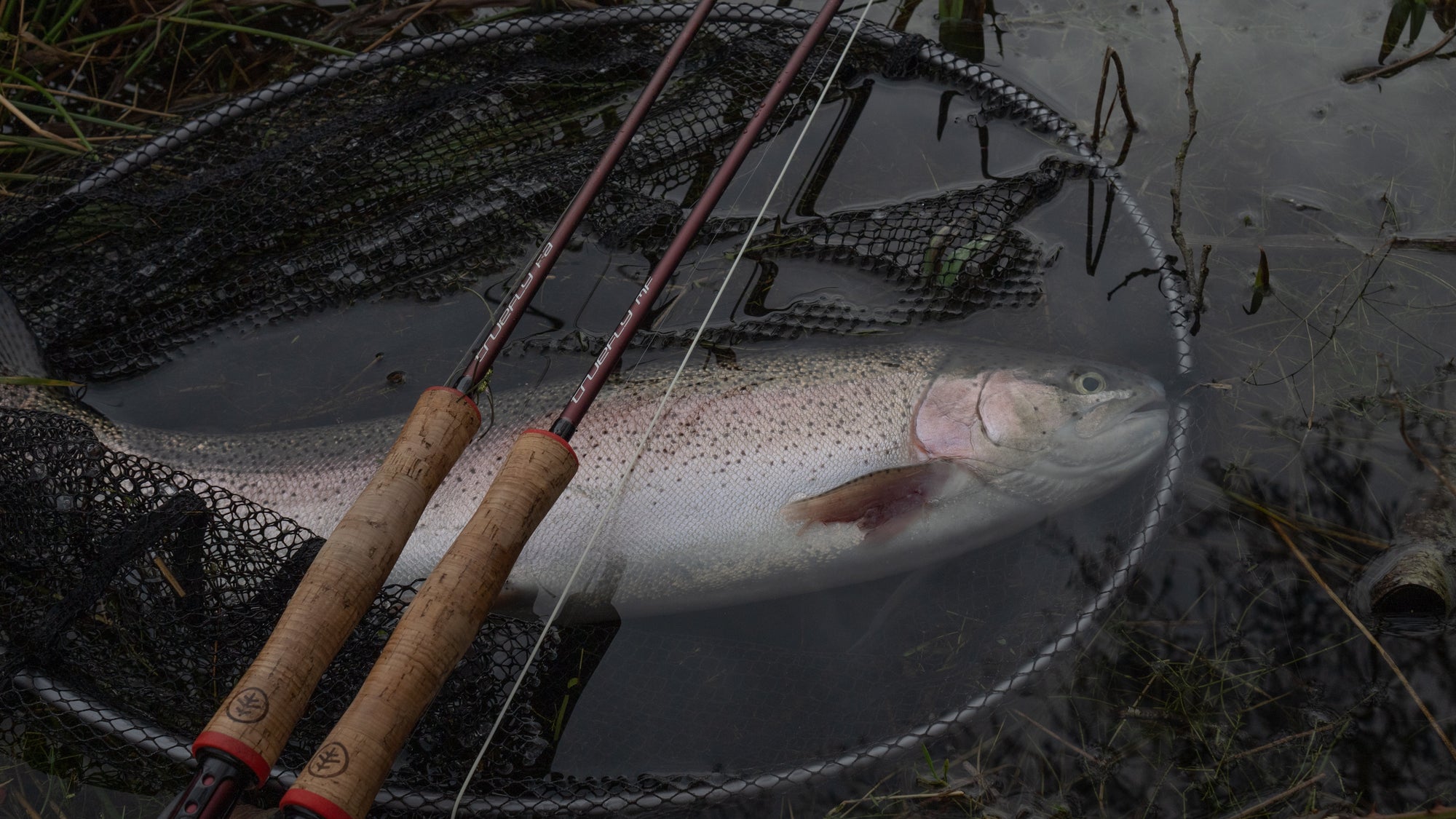
51lb 6oz common caught a few days before the fish spawned at a top weight. 41lb 10oz mirror caught the day before they spawned.