By Thomas Finney
Two Rods to Cover All
 Surface fishing for carp can be highly effective, and over the years I’ve refined my approach down to two key methods. Using both a fly rod and a floater rod, I’ve found a combination that offers versatility and consistent success — even on pressured day-ticket venues.
The Fly Setup
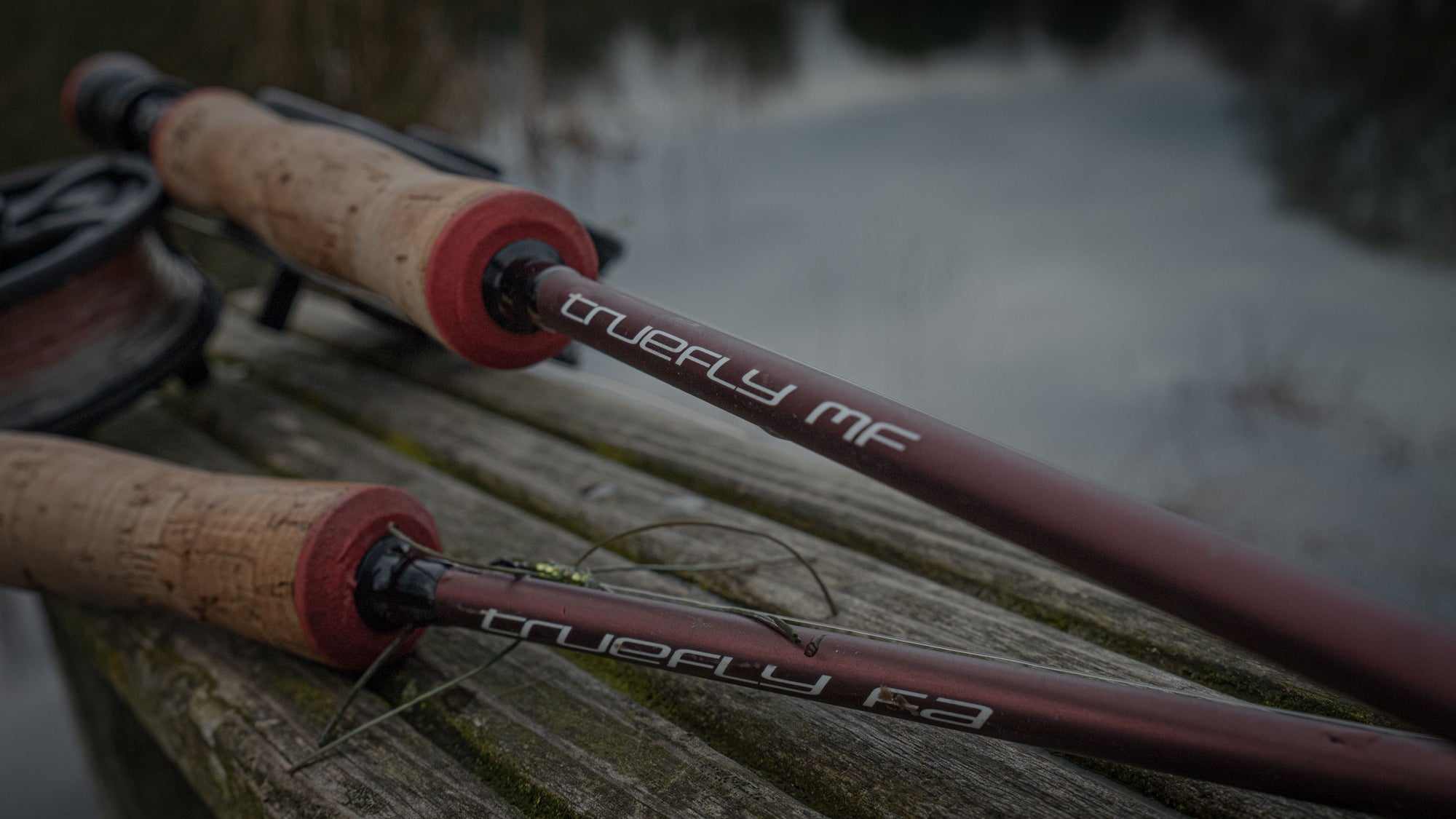
 For fly fishing, I prefer a 7 or 8 weight rod, 9–10 feet in length — similar to those used for reservoir trout. On weedy venues, I may step up to a 9 or 10 weight, though this can compromise delicate presentation. My preferred rods are from the Wychwood Ionica and Flow ranges.
I pair these with a sealed drag wide arbor reel and a stretchy floating fly line, such as the Connect Series 2 Rocket Floater. Stretch is essential to absorb powerful takes. I use Wychwood Flow and Ionica reels.
For the leader, I fish 7–8 feet of copolymer, with a 2-foot fluorocarbon tip joined by a surgeon’s knot. This creates a subtle presentation, with the front section floating and the final part just under the surface. My go-to materials are 10.2 lb Silk Mode Copolymer and 9 lb Ghost Mode Fluorocarbon.
For fly selection, the term match the hatch is still relevant here, only my flies are representing the feed I’m putting out, so dog biscuit imitations are a winner.
The Floater Rod
 For conventional surface fishing, I use a 2.25 lb test curve rod — 10 feet for close work, 12 feet for range. The Wychwood Riot Specialist range is ideal. I team it with a Riot 55S reel loaded with 12 lb floater line. I favour a large, transparent bubble float, filled with water to adjust casting weight. It’s subtle and highly effective. For the hook-link, I use 9–11 lb zig line and a size 8 floater hook.
Bait, Hookbaits and Feeding
 Feed Bait
When surface fishing, I like to mix up my feed with a variety of shapes and sizes to prevent carp from locking onto one item. To keep costs down, I use adult dog mixers as the bulk of the mix. A 10kg sack usually costs around £12 from supermarkets or pet shops. I also include small bite-sized mixers, some floating dog kibble, and a small amount of branded fishing floaters for variety.
I mix it all in a bucket, typically using a ratio of three scoops of cheap mixers to one scoop of premium bait. If there’s a ripple, I add oil to the mix to flatten the surface and boost attraction. Groundnut oil works well; on tougher days, salmon or hemp oil helps draw fish up and hold them.
I feed generously and often, keeping bait going in even while playing fish, to keep them confidently feeding.
 Hookbaits
My favourite hookbait is a trimmed-down pop-up to match the feed. Dynamite Source pop-ups are my go-to. I also carry fake biscuits and hookable floaters for when a change triggers a bite.
 Fly Selection
When fly fishing, I match the “hatch” with biscuit imitation flies made from deer hair or synthetic fibres. I often trim them to sit low in the surface film. Though harder to see, they tend to produce more confident takes.
 Managing Bird Life
 One of the biggest challenges in surface fishing is dealing with bird life — swans, geese, ducks, and especially seagulls — all love floaters and can make things difficult. The good news is, carp are rarely spooked by birds, apart from gulls, so if you're prepared, you can still have a productive session.
The level of bird interference varies by venue. Some lakes with a resident swan pair may have fewer geese; others may be overrun with ducks or gulls. It’s important to observe the bird activity when choosing a swim.
If I spot carp on the surface, I’ll start introducing bait straight away. Rather than waiting for carp to build confidence, I’ll cast at the first sign of interest. Birds like gulls and ducks are often deterred simply by having a line in the water.
On venues with swans or geese, feeding them separately is often necessary. I always bring at least 10kg of floaters, with extra in the car. I’ll feed the birds in the margins, ideally into the wind to stop the bait drifting into other swims. Ten scoops is a good starting point, topping up as needed. While the birds are preoccupied, I continue to feed and fish my spot — it’s common to catch during this window.
If there are too many birds to feed off completely, try feeding little and often to keep them busy, or spod out bait and leave the bright braid visible — birds often avoid it, giving you a clear opportunity.
Fish Spotting & Location
 One of the most important tools in surface fishing is a good pair of polarised sunglasses. I use the new Madison Eyewear range, which comes with three interchangeable lenses for bright, medium, and low light — ideal for early starts or late finishes.
On sunny days, carp are often easy to spot basking or cruising high in the water. In these conditions, location is straightforward: find the fish and start fishing.
In overcast weather, fish may still be near the surface but are harder to see. This is where wind direction becomes key. The night before a session, I’ll check the forecast and look at a map to plan where the wind will be blowing into.
On warm breezes — especially from the south or west — carp often follow the wind, so the windward end of the lake is a great starting point. If the wind is strong, I’ll fish halfway down it, targeting areas with a slight windbreak like islands or bays. These offer calmer water and fish often patrol there to intercept drifting floaters.
Cold winds, particularly from the north or east, aren’t usually ideal but can still produce results. In these cases, I’ll focus on sheltered areas or the back of the wind, which offer calmer, warmer water. While not as prolific as warmer winds, I’ve caught some of my biggest surface carp in these conditions.
Being adaptable and observant is key — follow the fish, and success will follow.
The Fishing
 Fly Rod Approach
On venues where fly fishing is permitted, the fly rod can be incredibly effective for surface carp. It allows for delicate presentation and pinpoint accuracy, with no float splash to spook fish. Think of the subtlety of free lining — but at 20 yards or more.
If there’s space for a back cast, I usually start with the fly rod. I can place the fly quietly in front of feeding fish at up to 30 yards. If a carp refuses the fly, I simply lift off and re-cast to cover it again. This method often brings fast success, and with practice, you can target individual fish—often the bigger ones. For short to medium range, it’s hard to beat.
 Floater Rod Approach
The controller float remains a staple method for a reason. Though not as subtle as the fly rod, it enables me to reach distant fish that are beyond fly-casting range.
When fish are feeding confidently or sitting further out, I’ll cast past them and slowly draw the bait back into position. A key tip—after casting, let the float settle for 30 seconds before moving it. Fish often take the hookbait right after landing.
The controller float can also self-hook fish, and while a strike improves hookup rates, this makes it possible to leave the rod on the ground with a loose clutch while using a fly rod at the same time — effectively doubling your chances.
 Give It A Go
Using these tactics has put numerous 30 lb plus carp in my net, often on very short sessions so I challenge you to give them a try in the warmer months.
Tight lines,
Tom